Season 1 Episode 6 ADHD & COACHING
Welcome to the full transcript for Episode 6 of ADHD FM.
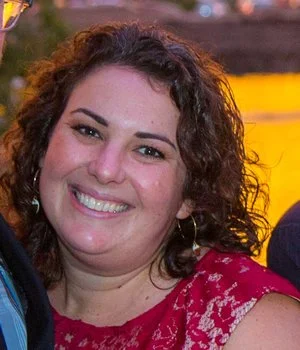
In this episode I sit down with Marion Cunningham, my coach, producer, and a huge part of my ADHD journey, to talk about the challenges of living with ADHD as an adult and the strategies that have made the biggest difference in my life.
Full Transcript Below:
Elianna Friedman (00:00)
Hi, I'm Elianna and welcome to ADHD FM, a podcast about discovering what it really means to be diagnosed with ADHD as an adult. I was diagnosed in my late 30s and a few years later, I'm still learning, reflecting, and laughing my way through it. One thing I realized is that I don't just want answers. I wanted to connect with people like you.
I was searching for my people, for my community that understands how my brain works. I am still on that journey today and excited to explore it together with you. This is a place to talk honestly about ADHD. What's hard, what's easy, what helps, what doesn't, and what we're still figuring out together. I am so glad you're here.
This is our final episode of season one. It's a very, very special episode to me because we are gonna talk to my ADHD coach, Marion. She has helped me pretty much since my diagnosis navigate and understand my new brain.
After I was diagnosed, was really confused, overwhelmed, scared, so, so, many emotions, and I didn't really know where to start. ⁓ Appointments with therapists and psychologists and psychiatrists are harder to access, and depending on your insurance, ⁓ could take a while to find the right fit.
So I was also seeking community, other people, other women that understood my brain and how it worked. And I was looking for a coach as well. And that's when I found Marion. Coaching has been a really invaluable part of my process and understanding my own brain. I know for sure I wouldn't be where I am today without it. I feel like having access and working with a coach has given me really illuminating and deep, deep conversations because it's a struggle. I don't want to be too much of a downer and I know a lot of these episodes have been about finding tools to help me deal and figure out, but really it does get better when you apply those tools.
But finding those tools can be really hard, especially if you're doing it all by once I got diagnosed, I felt like I had a new understanding and new information about myself, but I didn't know what to do next. And talking with a coach who, also has ADHD who also understands how the ADHD brain works. Again, like I just said, as I just mentioned, it was invaluable and it continues to be invaluable because a lot of the things I tried in the past, whether it be like classes on time management or challenges and frustrating conversations in the workplace because
I wasn't getting it the same way my coworkers were, or the same in school. I was trying really hard and I studying really hard and it wasn't clicking, it wasn't working in the way that the classes and the education system really told me that it should be working.
Having so many experiences where I was trying to get it right and it wasn't working before I was diagnosed, it's a big shift to go through emotionally and logically your processing and for your understanding and the way you navigate the world. So having a coach to do that with has been such an amazing experience and helped me tremendously along my journey and self-discovery.
Another thing that I love about working with a coach versus working with a therapist is in my experience working with a coach, I've been able to really connect with the coach on a deeper human level. So for me, a coaching environment feels less clinical of an environment than a therapy session. And I've been able to… not feel like I have to mask. Like in the past sometimes with therapists I felt like I've had to mask and and like lean into my people pleasing tendencies and with coaches, with the right coach, with a coach that's a really good all goes away. So I'm able to really access more learnings and some deeper work.
So for that reason, I really appreciate working with a coach and really feel lucky that I've been able to have that experience and work with a coach.
Elianna Friedman (04:32)
I am thrilled to have Marion on today as our guest because it's gonna be a very personal episode for me because she is not only the producer and editor of this podcast but she is my ADHD coach as well and has been for many years. So thank you so much for being here today. Marion Cunningham is an Emmy award-winning documentary. Filmmaker, producer, and certified somatic ADHD coach. She directed the documentary, This Might Hurt, which explores mind-body approaches to chronic pain and has spent years telling stories about the ways people heal and transform. Today, she brings that same curiosity into her coaching work, where she helps people develop self-awareness, reconnect with their bodies, and make meaningful changes in their lives. Thank you so much for being here.
Marion Cunningham (05:27)
Yeah, I'm so excited to be here.
Elianna Friedman (05:29)
So let's get let's dive right in. ⁓ Tell us why you decided to become a coach.
Marion Cunningham (05:36)
Yeah, I spent 20 filming, producing, directing documentaries and nonfiction television. So I spent a lot of time interviewing people, helping them tell their stories and sort of getting to the heart of what they wanted to communicate. And I was thinking it might be time to transition careers.
And so I started looking into being a therapist. And this was also around the time of getting diagnosed with ADHD and suddenly realizing why I had so much trouble like writing papers in college and how difficult that was for me. It was really hard to sit down and write a paper before it was due. And so that brought up just so much shame and like,
somatic pain in my body, even thinking about it. And so it felt like going back to school wasn't the option at the moment. And so I thought about training to be a life coach because it's a lot less school, but it would also give me the opportunity to explore this client and coach relationship to see if that was even what I wanted in a career.
And so I did, I took a great ICF certified training course and learned a lot. And one of the things I really like about coaching is it is so solutions which has been a theme in my career from telling documentary stories to make change. And so like, helping clients figure out what they want and then go and get it. Really was super interesting to me, maybe even more interesting than like a therapist-client relationship because I love problem solving.
Elianna Friedman (07:20)
Do you think that's because of your ADHD?
Marion Cunningham (07:23)
Yeah, that's a big part of it. It's also probably because I'm a Capricorn. So I like to get in there, figure out the thing and then get it done.
Elianna Friedman (07:32)
I understand deeply, also I'm Capricorn and have ADHD.
Marion Cunningham (07:35)
Right.
Elianna Friedman (07:40)
Can you tell us a little bit about why your work as a coach is so necessary in this world?
Marion Cunningham (07:46)
I mean, I think just like you and a lot of people we've interviewed on this podcast so far, people are not getting diagnosed until their late or long enough that they have often really burned out
So a lot of times I'm meeting people in this stage of life who need help, need changes and don't know how to make them. One thing I actually really love about coaching is it's so client centered and my job is to really help the client figure out exactly what they want and then the steps that they want to get there, not the steps that I suggest. And I think it's really hard for people to get that process. And so I think it's really important when we are able to, to really take that time. Figure out exactly what's going on inside of us and how we want it to change or be different or grow.
Elianna Friedman (08:44)
that's one of the things I love so much about coaching as well is it's very empowering because I never feel like I'm being told what to do. I feel like I'm being guided into understanding my own thoughts and trusting my own thoughts and I figure out how to do it and the coach and you just kind of guide me towards that. And so that's very empowering. like I'm more likely to make the change because it's something that my body, my mind, me, myself guided me to do.
Marion Cunningham (09:17)
In the best coaching relationship, my job is really to just remain open and curious about my client and just continue to ask them questions to help them figure out their path. I love that you're saying like it's empowering. that's what we want to provide.
Elianna Friedman (09:34)
Yeah, for me, a big piece of coaching is, has been about like self discovery and wanting to understand myself and my ADHD brain. So it was really almost impossible or hard for me to do completely on my own. So having a coach and somebody there to help guide that process is amazing.
Marion Cunningham (09:47)
Right.
Elianna Friedman (09:52)
The next question is how do you know if coaching is a good fit for you? like, how would you know if you should try out coaching?
Marion Cunningham (10:01)
think a lot of people come to coaching, in the beginning, the word I hear a lot is stuck. I think if you have this feeling of stuck and you don't know how to move forward or you do know how to move forward, but you just take the steps that you know you need to take, and you are just feeling lost in terms of making change in your life. it's like this moment of wanting to make change, wanting to do things differently and feeling ready to take those steps. Even if you know they're gonna be hard, but you're ready to start exploring a new way of approaching your life. I think it's like the best time to explore coaching.
Elianna Friedman (10:43)
That makes a lot of sense. So along those lines, what can a therapist or coach help you with?
Marion Cunningham (10:49)
a lot of things. So just to be really clear, the difference between therapy and coaching that is like most often cited is that therapy is about sort of exploring your past and coaching is about designing your future. And so as coaches with much less training than therapists, we really should be focusing on the present and future. Things will of course come up about the past, but my job as a coach is not to process any trauma. It's to figure out how that specific incident is affecting you today and how to move forward. And then of course, encourage you to get if more work is needed around that issue.
Elianna Friedman (11:39)
Just to clarify, so do you find people often have both a therapist and a coach?
Or can... Yeah, it's probably generalization.
Marion Cunningham (11:44)
Everyone's different. And of course, it's like such a financial thing too, with therapy and coaching, it also, it's about like how quickly you wanna move through things too. But there will be things that if... they come up in a coaching session that may not be able to be processed there if they're more in the therapeutic psychotherapy realm.
Elianna Friedman (12:08)
of things can coaches help with specifically, like the forward, the future stuff?
Marion Cunningham (12:12)
⁓ Yeah, it's a lot about figuring out what you want, what sort of challenges or obstacles are hindering you from that and the steps that you to take to get there. Whether that is, you know, with ADHD, it can be a lot of strategies to help you with patterns and the difficulties you have.
with, whether it's attention, memory, focus, whatever. But there are things like people pleasing that, you know, may come from a really old place, but we can work together in the future with how you want to work through that. So, you know, we can tackle some of the same issues that people experience in their lives, but we're just going to go about it in different ways.
Elianna Friedman (12:59)
Right. glad you brought up people pleasing. That's definitely one of the like tangible examples of what I've learned about my own people pleasing in coaching sessions and figured out ways to some more healthy boundaries and understand what's in my control and what isn't in my control. that's been great learnings for me with coaching.
Marion Cunningham (13:16)
Right.
Elianna Friedman (13:19)
Is a coaching session like and how does it feel? Kind of like paint a picture of what people might expect in their sessions.
Marion Cunningham (13:26)
Yeah. It's great when the client brings something that they want to tackle. Sometimes in a coaching client relationship, you'll have something that you're going for like long term. So you'll just be working through that in each session. But other times it will be specific. So a client had something happen in their lives this week and they want to figure out what to do about it. So the first 10 or so minutes is about setting the agenda. What do we want to talk about today? And where do we want to end up at the end of the session? And then it's sort of exploring, through and conversation on my end, asking questions. And, sometimes it's exercises too. there are various coaching exercises that we're trained in that can help in certain situations. And then the end is accountability and next steps. So figuring out what you want to do leaving the session and whether or not you want to set a time limit. So like the next time we meet, we'll you'll have tried X, Y or Z. something like that. I also like to do, you know, sometimes like a quick grounding exercise in the beginning of a session, especially if a client isn't sure what they want to talk about. It can give us a few minutes to just meet in a similar space. And a lot of times things will come to them during a grounding. and then in terms of how a coaching session should feel, I think every client has to decide how they want to feel coming out of the session, but I'm hoping everyone feels clearer, respected, understood.
I want everyone to feel like their humanity and their dignity was really important during the session and you know, it's not always gonna feel better. Sometimes there are gonna be hard sessions and there are gonna be sessions where you're like, now I have to do this really big thing that I know will make my life better and I don't wanna do it. So there will be those days, but most days I would love for you to feel more relaxed in your body, more confident, and clearer on what you want to do next.
Elianna Friedman (15:40)
one of the things I love about coaching sessions too is that afterwards I feel almost more complete. Like I feel like really heard just, I feel like I get so much out of them in terms of understanding of the thoughts. Like a lot for me is just these ongoing and these kind of like spinning thoughts and After I'm done with coaching, I'm like, I kind of understand, have a place for some of those thoughts and can take actions with them or not take actions if I don't need to. But it kind of like definitely stops the spinning and I feel less overwhelmed a lot of times after coaching sessions, which is really great.
Marion Cunningham (16:21)
Yeah.
Elianna Friedman (16:22)
What is coaching?
Marion Cunningham (16:24)
Coaching is not therapy. Coaching is not advice. Like it's not just someone telling you to do or like their 10-point plan works for every single person that they've ever worked with.
Those are the main things. Yeah, it's not one size fits all. Do you have any other? know you've done a lot of coaching. do you say about this?
Elianna Friedman (16:38)
So it's not one size fits all. I think coaching is not... the actual work. don't know if I'm explaining that right, but like I think in coaching I, I. have been able to come up with a lot of plans and theories, but it's not the actual going out and doing it, you know?
Like, I mean, the coach isn't going to do it for you, which is sometimes what I want. But you never do. You still have to go. You're still your own person. You still have to go out and do it. But like the coach will guide you and support you in it. But you still have to like go out and live your life.
Marion Cunningham (17:08)
Mm-hmm. Definitely.
Elianna Friedman (17:19)
Does that make sense? Like, there's, mean, for me my ADHD sometimes it's very overwhelming. And so. I know there's been times I've come to coaching sessions when I am so overwhelmed that I just want the coach to solve it for me. that's not gonna happen. I still have to solve it myself.
Marion Cunningham (17:37)
It's not gonna happen and ultimately you probably wouldn't want that, because they aren't gonna make the same decisions as you
Elianna Friedman (17:43)
So what are green flags to look for in a coach? And is it important to have similar values or understandings as them?
Marion Cunningham (17:52)
The green flags, I think, are going to be, client specific. Like, what is a green flag for you might be different than what a green flag is for me, but I think you definitely wanna feel heard. You want to feel, encouraged, and you don't want to feel shamed ever. You don't want to feel like anyone is like judging you. unless that works for you. And those are feelings that like help you move forward. Similar identities can be helpful, especially, you know, for marginalized people who want to walk into a session with like a little bit more of an understanding and not have to explain certain aspects of their lives to someone who may not understand. But yeah, I think ultimately it's like you want to feel good when you're around this person. You want to feel like they are there for you and like want to help you move forward in a way that feels challenging if that feels good, but ultimately open and caring as well.
Elianna Friedman (18:59)
I think for me too, the shared values helps a lot. In the sense that I feel like it's a safe place and a trustworthy place and I can be myself. in the past that therapy I've...probably was masking extent because I didn't feel in that environment.
Marion Cunningham (19:20)
Yeah, I think it's pretty common for people, especially maybe when we're a bit younger and haven't started to explore some of these patterns that are potentially driving us to therapy, like people pleasing to feel like beholden to this person or like they're a doctor and
They're the expert and you you don't have a say, but the therapy and the coaching room is a great place to start saying no. If you're having trouble saying no in other places, let's start there. Let's start with who is trained to make that safe for So yeah, please, feel like you can switch therapists, coaches and psychiatrists if they are not respecting you, if you don't feel heard.
like you're showing up to sessions, dreading them, knowing that you're gonna have to over explain yourself because this person doesn't get you. please consider looking for someone new.
Elianna Friedman (20:16)
How would you go about finding a coach? Where do you look? Where do you start, I guess?
Marion Cunningham (20:30)
So there are some ADHD specific coaching There's one at the like attitude.org website, which is, you know, a little bit of a cheesy website, but they do have a lot of great resources. If you can get past vibe of it all. then
Elianna Friedman (20:48)
It's a little outdated,but I think they're due for a name change too. But yeah, it's a resource that's been around for many years, which is one of the advantages. So it's expansive.
Marion Cunningham (20:52)
Yeah, for also Chadd sort of like, there's also Chadd, chadd.org, which is another website that has a lot of resources, including a directory. Obviously there's, you know, social media.
And then you can also look at the different sort of coaching credentialing websites for specific coaches and you can put in like the criteria you're looking for in there. I'm certified with the.
So the school is themselves will list their graduates. Yes, the schools will but I think an even more comprehensive list is the credentialing boards themselves because they often have a lot of schools that feed into them. So you can go to the ICF which the International Coaching Federation very Star Warsy name but it's like one of the most respected coaching. Boards and they list all their coaches and then you can like put in criteria, your location, things like that.
Elianna Friedman (21:55)
and you recommend reaching out to a few or then what's the next step
Marion Cunningham (22:01)
so I really encourage people to interview your coach and I would reach out to a few and I would, go into those initial discovery calls is what they call them generally. questions for them and trying to figure out if you feel like they are curious about you, they...understand you or if they don't understand they're asking questions to get there, that they're open. a lot of folks probably maybe want coaches that have similar identities, similar values And I really encourage who's looking for a coach and a therapist too like to really be active in figuring that out. Because if you end up in a relationship where you're
not getting what you need. First of all, it's just a waste of your time and money and your very precious energy. And it will be really hard to do it again if you spend a long time in that relationship and get really frustrated. I think also, I really appreciate it when a coach lists their prices on their website. I think that's really important for transparency.
Elianna Friedman (23:09)
Me too.
Marion Cunningham (23:12)
And, you know, it would be hard for me to want to go into a discovery call not knowing if I'm going to hear a number that is completely not conceivable to me at the end of the call. that is really great.
Elianna Friedman (23:25)
And also, like, when I was first looking for a therapist and coaches, like, I didn't understand the finance going into it. I felt like the discovery call was more about them trying to like sell me. And then it got in the way
Marion Cunningham (23:40)
Mm-hmm.
Elianna Friedman (23:42)
of me remembering that I was trying to interview them and trying to figure it out. just kind of like, the more information you can find out about them going into it, I think might help you discover what you want to discover.
Marion Cunningham (23:51)
Yeah. Yeah, and just continue to check in with yourself. If those vibes aren't what you okay to say, this isn't the right person for me. It's even okay to say that five sessions in, I also really encourage people to… communicate with your coach about that if you are having concerns if they said something didn't that didn't sit right with you. I really encourage you to talk to them about that. And then, you know, their response is information, right? You do like if they get really defensive, and can't hear you, like that's probably not the coach for you. But if they, you know, are open and take accountability or work through a miscommunication or a misstep, then, that would be a lot better feeling for me. And I this sounds like a lot of work and it is. I know how difficult it can be. I would take...
Any steps you can to make it easier for you. So whether it's filling out a contact form on their website with like just the same email or the same text that you posted in five other contact forms or Templatize it, yeah, make it easy I love it when people have like calendlys or places where I can just choose a time slot.
Elianna Friedman (24:59)
Copy and paste can be a friend.
Marion Cunningham (25:08)
So things like that, find the ways that work for you.
Elianna Friedman (25:11)
And I'll just add, because it might be for some people the first time they're finding a coach or a therapist, and I will just add that it's okay if it's not your forever coach, because I've had multiple different coaches and therapists throughout my life, and I think the first time I sought out help, was like, well,
This is forever. my mindset was more like, oh, this is going to fix me back then too, probably. So I was like, oh, right. Right. So just like you don't have to get it. I just want to encourage people like you don't have to get it right on the first try. Like you said, you can do a few sessions and then change your mind.
Marion Cunningham (25:36)
Right, and I'll never need any other help.
Elianna Friedman (25:50)
And How much does an ADHD coach cost?
Marion Cunningham (25:54)
Unfortunately, we cannot take insurance. So it is largely out of pocket. there's a huge range starting around if you're like a brand new coach, you might slightly below $100 an hour to $100 an hour. And then I think, you know, other coaches are more expensive. think, you know, there are some coaches that are $500 an hour. there are a lot of budget ranges and there are a lot of coaches that fit within these different tiers.
Some coaches want you to pay for a package. So they want a lump sum of money for a certain number of sessions. And I probably wouldn't agree to that unless I had talked to this person's references, unless I really felt like they were the right coach for me.
I think that a lot of times if you're entering into like a large package, when you're first starting with a coach, you don't know what you're gonna get
For me, I would always want to have a really honest conversation with a coach knowing exactly what those sessions are going to look like
Elianna Friedman (27:03)
You can always ask too for, like if they're only offering packages, you could say, you know, that's not in my budget, can we do something else? It can be negotiation in my experience. even asked for, I used to work in nonprofits for years, so I've asked for a nonprofit discount
So yeah, mean, they still might say no, but I mean, I would encourage people to always ask if it's not in their budget or maybe they would have a referral also for somebody know for a little less.
I would also for me and for somebody with ADHD, a lot of times I have issues with what they call the ADHD tax. So spending money on annoying problems like tickets or unpaid bills or whatever.
Working with a coach can help alleviate some of those mishaps. So you might actually end up saving some money in the end. That's another thing to think about your budget is like, can my coach help me actually save some resources in other places and then I can put my resources into working with the coach and learning this new skill.
Marion Cunningham (28:07)
Definitely if you are spinning your wheels because of the strains that ADHD puts on your emotional and mental resources. through some of that might totally save you money in the future.
Elianna Friedman (28:21)
Save you money and also earn you money. it might help you, coaching could help you get higher earnings Cause I think earlier on you said one of the things that people come away with sessions often tell you they feel confident after. So I'm sure that translates
Marion Cunningham (28:24)
Yeah, that too. Definitely. Yeah, you can ask for a raise.
Elianna Friedman (28:39)
Let's ask the listener a question. The listener was wondering, they don't have ADHD themselves, but they'd love to know from a coach's perspective, how can they best support a friend or family member with ADHD?
Marion Cunningham (28:56)
I would hope that you support your ADHD or family member just by being respectful to their challenges as you would with a neurotypical person with challenges, right? Like if this thing keeps coming up instead of...waiting till you're super frustrated and then yelling at them, like talk to them early and say, hey, this thing keeps happening in our relationship. And is there any way we could approach this situation differently? having the emotional intelligence to be clear and kind with your ADHD friend.
I think creating a space for them to say no and having that be okay is a wonderful thing you can do because a lot of us are people pleasers, like making it okay and safe for them to say no or disagree.
And you might just ask them, how can I support you? I'm, talking to someone who is in a place where they are gonna have additional needs.
I say, please let me know what you need. I'm also going to come up with two or three things and I'll pitch them to you and let me know what you think of them. And then it's sort of like a conversation and they're not all the emotional labor of like figuring out what they need and then asking for it.
What do you think, Elianna?
Elianna Friedman (30:20)
I love that idea first. It's such a beautiful answer. And I love that idea at the end that you said asking them, but also providing options. I think you know, I love food and I love cooking for people. So when people are in need, I want to drop off food, but I don't know if they need it. So, you know, I'll phrase it Like, I'd really like to support you by an easy meal by, know, Would you like that or would you like a gift card instead or, You know, like really checking in. And then the first part of creating the space for them to say no. I think that's huge and really important.
You know, I'm like, okay, like do people in my life create space for me to say no? And I think that a lot of people do and the way they do that is by saying that, know, like asking me something and, saying like, it's okay not to answer or it's okay to say no, you know, like spelling out really clearly the permission
Can be really helpful to my brain because I feel like now I have an unspoken understanding like that in my relationship with my husband, but for many years I didn't. So I felt like even though he wasn't demanding it, I felt internal pressure to give an answer. like now knows that I need that prompt sometimes. Like he asks me something and then he'll say right after the question, like, remember, you don't have to answer or it's okay to say I don't know or it's okay to say no,like all those. really quick phrases actually more space for me to think things through and let my brain process it and feel really understood and supported.
And same with texts. Like texts can be really hard sometimes,like because it comes into my world so, quickly and fast with a ding and it's on my phone and you're supposed to respond right away. then...often see it, but I don't respond. then I'm like, I don't know what to say. So I'm not going to respond. then later, the response does come into my brain, but I don't send it because I'm like, they're going to be mad. I didn't send it fast enough or, know, so like even in a text, you could be like, hey, was wondering, like, hey, do you want to do this?
Can you let me know by Friday so we can make the reservation or, you know, like putting some kind of parameters
Marion Cunningham (32:18)
Yeah.
Elianna Friedman (32:23)
Yeah, and taking the pressure off too and saying it's okay to say no.
Marion Cunningham (32:26)
Yeah,
Elianna Friedman (32:27)
So now we're going to move on to rapid fire questions. here we go. What is your favorite thing about having ADHD?
Marion Cunningham (32:36)
I love my ability to see like the big picture and all possible paths. being able to just sort of like rise above and see all the different ways things can go not only helps me in strategy and planning, but problem solving.
It can also be really paralyzing to see so many paths tooI think before I got more in tune with myself, that was like maybe a problem in my life, but now it's like one of my favorite things about my brain.
Elianna Friedman (33:07)
Yeah, I agree. It's so fun to be able to see so many solutions to a problem. But that's why you get a coach to help you prioritize and figure out which solution to a small thing that makes your ADHD brain light up with joy?
Marion Cunningham (33:16)
That's true.Bilateral stimulation, I love it. Not only like I've used it therapeutically in EMDR. And there's something called the butterfly hug, which you can do in your daily life if you ever need little bit of a calming grounding exercise. ⁓ It lights up both sides of the brain.
But I also really love bilateral stimulation in music and can really help me and just like coming back to my body.
Elianna Friedman (33:54)
I didn't even know it was in music. That's so cool.
Marion Cunningham (33:57)
We can add a track that I've been using a lot to the show bilateral simulation in your ears.
Elianna Friedman (34:05)
What's your most useful ADHD hack?
Marion Cunningham (34:09)
Calling my energy back to myself. So when I'm feeling depleted, when I'm feeling been around a lot of people and my energy doesn't feel like mine, thing I do is I say my name out loud or to myself in my head three times and then I say I call my energy back to me from all the places I left it, from all the people I shared it And then I wait and just notice and see how that feels, the energy coming back to my body. And then I say, I release the energy that isn't mine and I respectfully send it back to where it came from. And I take a moment and just notice what that feels like, the energy leaving my body. if I'm feeling really depleted, I can feel a lot better just after doing that.
Elianna Friedman (34:56)
I love that one and it reminded me of another you've taught me that I use often is like setting up a shield to protect my energy as well. So like on days if I know I'm going into a more challenging situation that I wanna preserve my energy I can set up a shield. Will you explain the shield a little bit?
Marion Cunningham (35:16)
So I learned this shielding technique from Jessica Lanyadoo who is an astrologer, has a great podcast called Ghost of a Podcast. But this involves visualizing your auric field, sort of Glend of the Good Witch bubble. It's a little bit bigger than that, but that's a good visual. You can fill your bubble up with anything you need, like colors, confidence. You can just bring any of the resources you need into the bubble, and then you can line the exterior of the bubble with any sort of shield. So you can think, today my shield is going to be made of rubber and any energy that comes. Towards me is just going to bounce off of it and flow back to the person that is sending it.
Elianna Friedman (36:08)
Yeah, What's a helpful understanding about how your brain works that you are excited to share?
Marion Cunningham (36:15)
I think it's okay to say no, is something that I didn't understand with my brain before, coaching and therapy. And now it's one thing I'm really. Excited to share with my clients that, as long as we are saying no clearly and kindly the people we love, don't always have to say it kindly to the people who are taking advantage of you and don't you don't love. like as long as we are saying clearly and kindly no, that's like way better than not answering for a long time because you're afraid to say no or saying yes, but then not doing it because you really wanted to say no.
Elianna Friedman (36:50)
Yeah, I agree and I think like you were saying, it's almost better in a lot of times to say no. Saves you time and saves you the anxiety or the worry again, I think you can change your mind, you You can say no and then maybe if you want to later, go back and say yes.
Marion Cunningham (36:57)
Right. Yeah. And it's not rude.
Elianna Friedman (37:12)
And it's kinder to the other person, or it's kinder to who you're saying no with, because you're giving them useful information they can move on.
Marion Cunningham (37:14)
Way kinder.we haven't really mentioned RSD, which is, a lot of ADHD people. Yeah, we've danced around a lot of people. people have rejection, sensitivity, dysphoria.
Elianna Friedman (37:22)
We've danced around it.
Marion Cunningham (37:31)
And so hearing no often feels really to them, but it's important to remember when we say no, not everyone feels exactly the way we do about that. And so it might seem really overwhelming, but you don't know how that person feels about hearing the word no. it might feel fine to them.
Elianna Friedman (37:50)
I think that's a really good reminder for me as someone with RSD and ADHD, but do you, do you ever, I've been actually wanting to ask you this for a while because I know that you have ADHD and you're also my coach,
Have I ever said no to you in a time that's hurt you?
Marion Cunningham (38:06)
No. I mean.
Elianna Friedman (38:07)
Interesting.So like I say no to people with ADHD now, I do wonder like, they might have RSD if I say no to them.
Marion Cunningham (38:16)
Yes, but you can control that, right? you're never gonna know how someone else is feeling about your no until they tell you. So to imagine that they might feel really hurt, it's just like a lot of your energy going towards storytelling, you're trying to read the future unless they've told you.
Elianna Friedman (38:24)
Yeah. So I don't need to worry about it with neurotypical people and people with ADHD. It's okay to say no to everybody.
Marion Cunningham (38:37)
And so to answer your question, yeah, with anyone, you know. Yeah, our imaginings of what the person will think about us, will say about us when we say no. the most part are us trying to look inside the crystal ball. There may be a few relationships like your parents
you have a lot of history and you know, their thought processes when you say no, but also people are always changing and growing. So, there's more chance of them getting better at hearing no when you start saying it. But to answer your question, no, I...
Especially from my coaching seat. Like it's my job to not be hurt by...
people saying no to me. I'm supposed to like ask enough questions that they should say no to me. I'm gonna be wrong a lot because I'm supposed to be open and curious. And when you are open and curious, you're going to go places that aren't the right place. And okay to hear no because it's my job to hold the client's needs in session above my ideas and thoughts.
Elianna Friedman (39:52)
I think it's important for me to try to remember, I don't control other people's feelings. It's the whole like, they're not mad at me trope.
Marion Cunningham (39:59)
Yeah, and if they are, they can tell you that and you guys can work on that.
I mean, I think that's also the hard thing about RSD, Is it is real and it sucks and it's hard. And also it's our job as people with ADHD to remember that it's not always the truth of what the other person is saying.
And so just because they're saying something that RSD and thoughts around what they mean, they don't always mean that. And sometimes it is our brain just sort of spinning a little bit. it's difficult with ADHD because there many things about our brains that
We want to accept and we want the world to work with us around. And there are also some things that we need to work on to make our lives better, not for other people, but so that we aren't so often in an RSD spin. And we can work on those things and coaching does help you work on those things and so does therapy.
Elianna Friedman (41:06)
for me, a lot of the RSD support has just been similar to diagnosis, understanding, like knowing that it's a thing and that it's real has helped me a lot being able to acknowledge it and then be like, okay, this is what's happening. then it makes it easier because I have a name for it and then can kind of figure out.
Marion Cunningham (41:17)
Mm-hmm.
Elianna Friedman (41:29)
how to approach it instead of just...that pretty awful feeling that you're liked or that somebody's mad at you or you did something wrong knowing that it's not really true and that it's RSD is really healing for me.
Marion Cunningham (41:45)
Yeah. Because if it's created by our brain, we can work to control it.
Elianna Friedman (41:51)
Yeah, and talk to it and understand it.
Marion Cunningham (41:51)
And offer compassion for that feeling, but a reminder that that's not necessarily everyone's truth in the situation.
Elianna Friedman (42:04)
Well, amen to coaching.
Elianna Friedman (42:08)
Marion, thank you so much for being on the podcast today. I really appreciate all the insight you shared with our listeners.
Marion Cunningham (42:16)
Yeah, thanks for having me as the producer. I will also thank myself for having me. And yeah, I'll edit it and we'll share it with the world.
Elianna Friedman (42:27)
Thanks for listening to ADHD FM. Huge thank you to my producer and editor and today's guest, Marion Cunningham. If something from today's episode resonated with you, I invite you to share it with friends and leave a quick review. I'd also love to hear from you, so drop me a voice note or a DM with your questions and tell me about your own experiences. You can reach me on Instagram or TikTok at ADHD FM.
Until next time, take care of yourself, give your brain a little grace, and keep finding what works for you. Bye!